
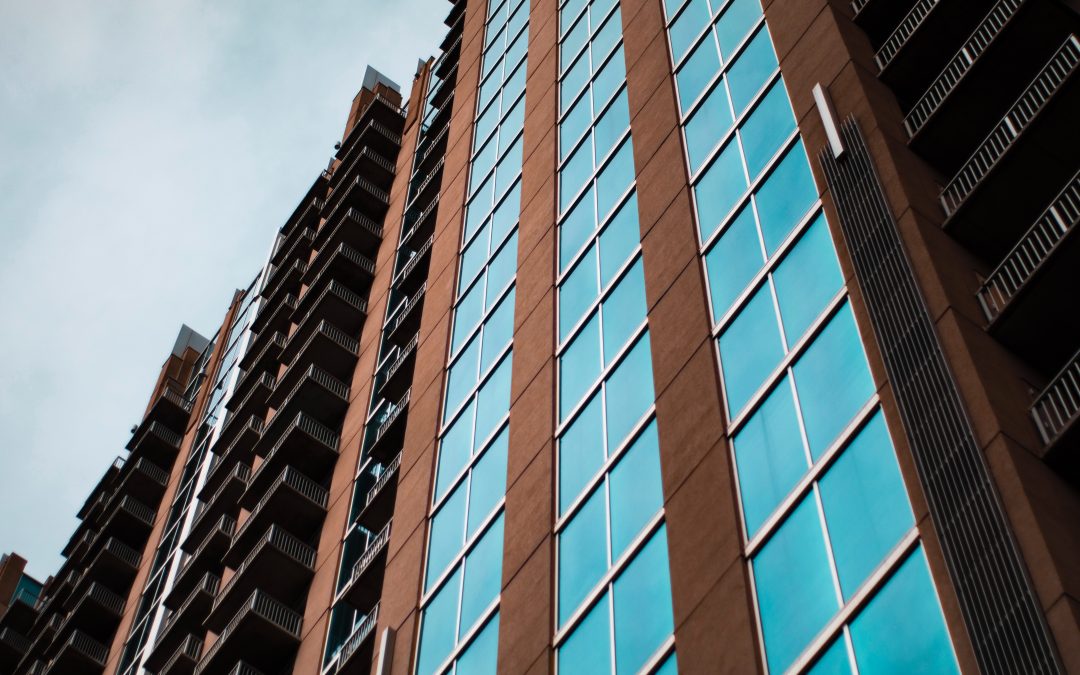
As a Building Operator, you are in charge of the “day-to-day maintenance and operation of buildings that have heating, mechanical and electrical systems.”¹ Essentially, you are the ‘owner of the infrastructure’ that keeps the building operational. This includes the extensive amounts of lighting that runs throughout the building.
Lighting touches on three major areas of a building: maintenance, electrical, and aesthetics. The common denominator with these three major areas is that they are under the purview of the Building Operator. As a result, lighting is becoming a more integral part of a Building Operator’s job. In addition, as the Building Operator, you are also the first point of contact whenever there is an issue in a building.
Take a minute and google ‘Building Operator job opening’. Any posting that comes up will have a line about being able to work with lighting systems. In fact, when our friends at BOMA interviewed² Alex Orilla, 5th Class Building Operator, about what he thought the future of the industry was, he said that:
“Owners/Managers will be hiring operators that can specialize in all trades; more skilled operators means less need to sub out the work. More schooling and training will be encouraged.”
Being certified to work with lighting systems is a huge asset that building owners/managers would like to see their employees have.
Here are some tips for Business Operators with regards to lighting:
Lighting has a lot to do with your building’s energy consumption
As the profession evolves, it is becoming more important for Building Operators to understand how their building consumes energy, and how to perhaps ‘cut’ that figure down. Lighting plays a huge part in this figure. According to a report published by the Building Owners and Operating Managers Association (BOMA), utility expenses have grown 9 cents per square foot during the last 14 years³, and this figure doesn’t seem to be going down.
Even with lighting optimized to only be on during the work day, every floor of the building you operate has (at least) two bathrooms that are lit 24/7, in addition to parkades that are also lit 24/7. When considering how to cut the consumption and the environmental footprint of your building, there are certain things you can do that people don’t often consider as they don’t realize that these energy consuming areas are not included on the timer of buildings main lighting system. With bathrooms, it can be as simple as installing an occupancy detecting sensor. In parkades, an option for optimizing could be installing motion detected lighting.
To understand how the lighting in your building is consuming energy, consider having an energy audit done.
Be sure to measure all lighting costs
When calculating how much the lighting in your building costs, remember to include all of the less-obvious maintenance fees. Not only will the power costs and actual costs of the physical bulbs need to be included, but so will the cost of any equipment rentals for maintenance (ex. lift) and man-hours to do the work.
Lighting does more than illuminate a room
Building owners and operators are beginning to think about lighting beyond how it can illuminate an area. In an aesthetic sense, architects and designers are incorporating lighting design into the exterior and interior public areas of buildings. Once they are installed, the maintenance of these displays becomes a Building Operator’s responsibility and it is important to understand that lighting can affect the public’s perception of your building. Picture any lit up building sign you can think of. When a single letter is burnt out, it doesn’t look professional or well maintained – and that’s just a sign. Imagine if there was a delay in changing something like a row of lights in the Calgary Tower’s LED display.
In addition to what lighting can say about the building’s ‘brand’, tenants are becoming more concerned with the lighting in their space. As they become more energy conscious, in addition to the fact that some of them operating under green mandates, it is important that you work with them to make sure that they understand the lighting in their space and the different options you can provide them with. In addition, by discussing lighting with them early you may be able to head off any issues with lighting colours being a problem when they bring in their own desktop lighting and lamps.
¹ OCCinfo: Occupations and Educational Programs, occinfo.ALIS.alberta.ca
² BOMA Calgary, A Day in the Life: Operations
³ GE Lighting, Work Smarter: Five Reasons You Need a Lighting Assessment for Your Office Space
Recent Comments